If you’ve been wondering whether your LinkedIn strategy needs a rethink, the answer is probably yes. Not because the platform has changed, but because your buyers have…
The best advice about LinkedIn right now isn’t about posting more, growing your follower count faster, or applying a new algorithm hack. The experts are saying something you might find a little uncomfortable.
The way people make purchasing decisions has shifted. They’re doing more research before they reach out, they’re checking your LinkedIn profile before they reply to your email, and they’re forming an opinion about whether you feel like the right fit long before you’ve had a conversation.
So, the content that’s winning this silent evaluation is the most genuine and relatable (not the most polished).
LinkedIn experts are saying start showing up as the real person you are. Not because it sounds nice, but because the data backs it up, and the alternative, safe, generic, over-produced content, is increasingly losing business for the people who rely on it.
Here’s what they mean, and what to do about it.
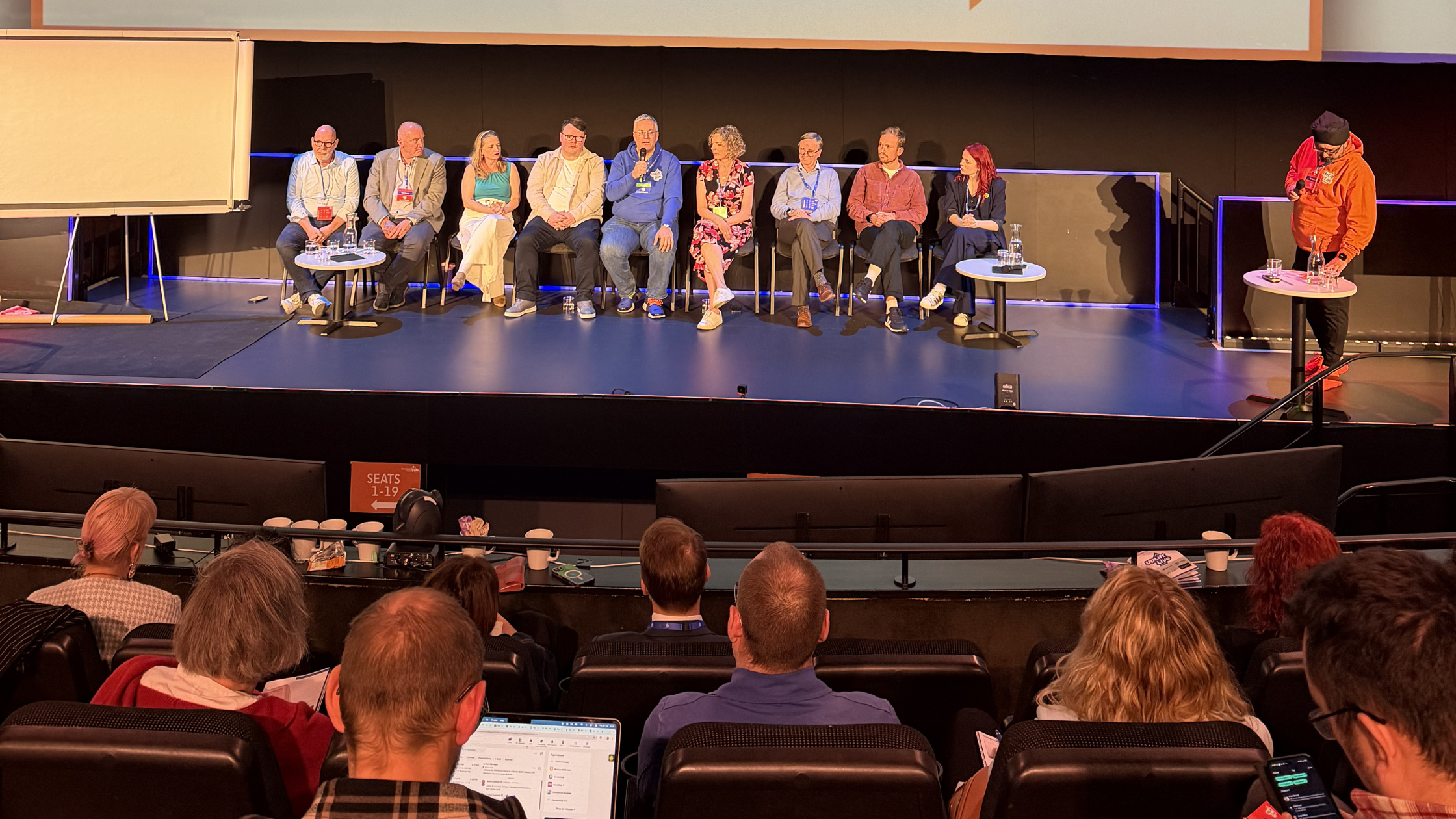
The insights in this article come from Uplift Live 2026, the UK’s only LinkedIn-focused conference, where some of the world’s leading LinkedIn experts shared what’s working on LinkedIn right now.
The Most Powerful Filter for Your Content
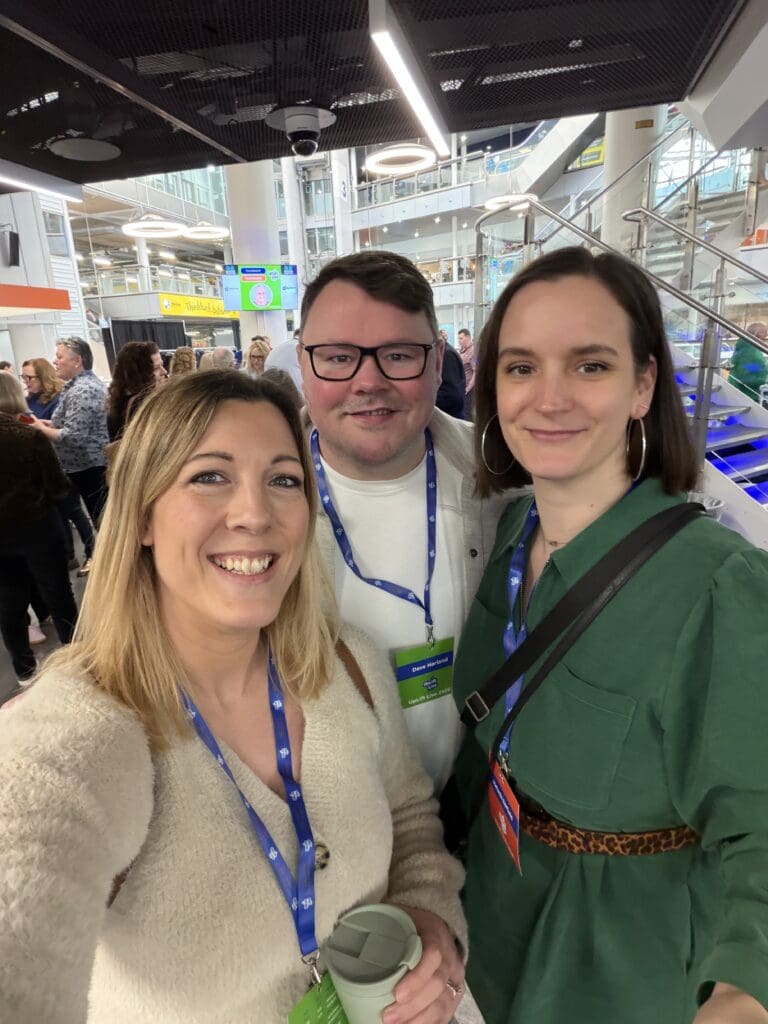
Copywriter Dave Harland says, “If you wouldn’t say it out loud, don’t write it.”
Read your last few LinkedIn posts back to yourself out loud. Would you actually say any of that to a real person, in a meeting, over coffee, or on a voice note to a client? If the answer is no, that’s your signal to make some changes.
This applies whether you’re writing for yourself or for a brand. It matters just as much in a corporate context.
I don’t mean corporate brands should sound casual or unprofessional. I mean they should sound like real people work for them. A good brand voice guide, developed by someone who understands copywriting, should result in content that feels relatable, clear and human. It shouldn’t sound like it was written by a committee and edited by a legal team.
People Aren’t Deciding If You’re Good Enough. They’re Deciding If You Feel Right.
This shift in mindset could massively boost your success rate on LinkedIn, according to LinkedIn Coach Nicole Osborne.
Nicole cited research from the Edelman Trust Barometer showing that 70% of decision-makers are less willing to trust someone whose values feel different from their own. And 71% say thought leadership is more effective than traditional sales and marketing at demonstrating a business’s value.
Think about what that means for your content strategy. When someone lands on your LinkedIn profile before a sales call or before they decide whether to reply to your message, they’re asking themselves an emotional question. Does this person feel like someone I can trust?
Over-polished, generic, jargon-heavy content doesn’t answer that question. It just makes people scroll.
What does answer it is content that shows how you think, what you believe in, how you approach problems, and what you actually care about. Not your credentials, not your services, YOU.
This is what Nicole calls ‘relatable expertise.’ It’s about being personal and real in a professional context (without oversharing).
This applies to company pages just as much as personal profiles. When someone lands on your company page, they’re asking the same emotional question: do these people feel right?
A company page that leads with services, credentials and case studies but never shows the values, opinions or personality behind the business will struggle to build the kind of trust that turns followers into enquiries.
Safe Content Is Forgettable Content
Marketing Psychology Podcaster Phill Agnew said most of us are conditioned to think that consistency is the key to success. Show up, keep posting, be reliable. And consistency does matter. But Phill made the point that on LinkedIn (and in business more broadly), results don’t follow a normal distribution. Your best post could be ten times better or even a hundred times better than your average post.
But that only happens if you’re willing to make small bets.
Something a little different, a little bolder, a little more you than your usual content. A strong opinion. A story you weren’t sure about sharing. A post that takes a stance rather than sitting on the fence.
This idea also links to something Nicole said. When nothing ever feels good enough to post, or when everything you post is too safe and too polished, your content becomes forgettable. Your audience can’t place you or recommend you when they don’t know what you stand for.
This is also worth thinking about if you’re running an employee advocacy programme. Encouraging your team to share company content is a great idea in principle, but if the content itself is too safe and too polished, sharing it more widely just means more people see something forgettable.
The most effective thing many companies could do right now is give their people permission to share their genuine opinions. It requires a bit of bravery and trust, but the results speak for themselves.
You Don’t Just Build Your Brand In Your Posts
LinkedIn Marketer Brenda Meller says the most visible LinkedIn creators aren’t just broadcasting their own content, they’re also showing up in other people’s conversations. They’re adding genuine points of view to discussions that are already happening. They’re celebrating others and giving to the platform, not just taking from it.
Brenda commented on a news story, one where she shared a real and slightly unpopular opinion, and it got 20,000 impressions. More than most of her own posts were getting at the time.
So if you’re spending all your energy on your own content and not engaging meaningfully with anyone else’s, you’re missing opportunities to build your network and brand. Comments are a great place to test a voice, try out a take, and see what lands before you commit it to your own feed.
Your DMs Are More Powerful Than You Think
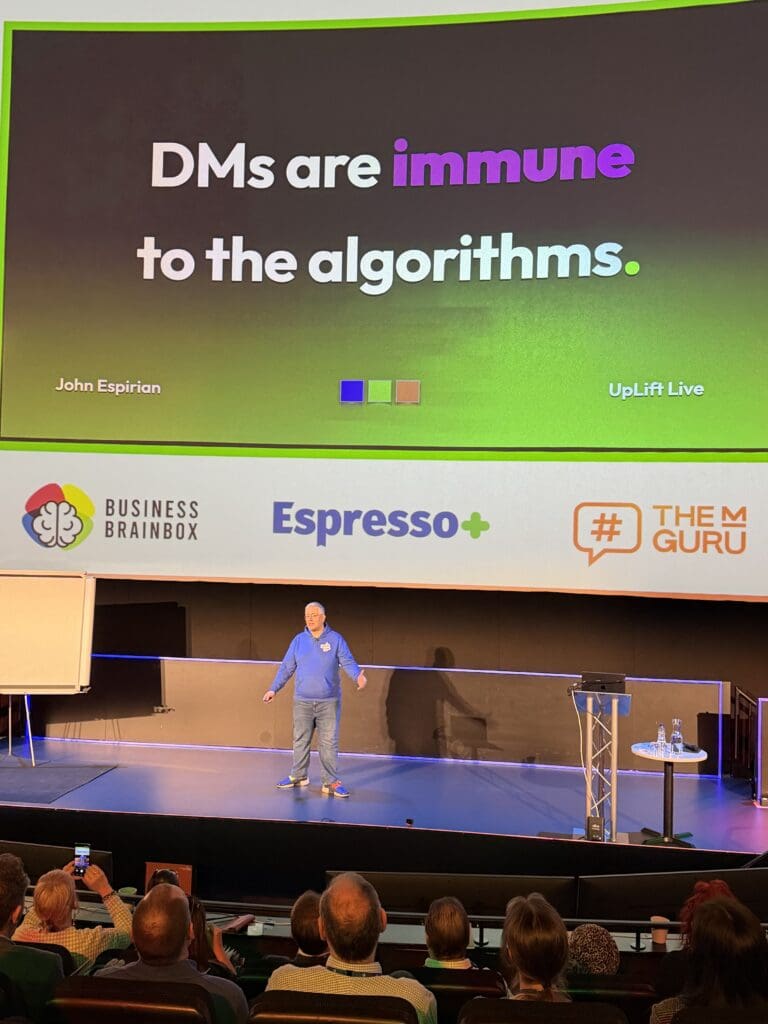
LinkedIn Trainer John Espirian says Direct Messages (DMs) are the only part of LinkedIn that sits completely outside the algorithm. Everything else – posts, comments, company pages, events – is algorithmically controlled. DMs are not.
This makes them, as John put it, both immune to the algorithm and a booster for it. The more active you are in your DMs, the more likely LinkedIn is to show your content to the people you’ve been talking to.
Most people post their content and then start engaging. John’s advice is to flip this. Get into your DMs a day or two before you post something important, as it primes the pump.
And beyond tactics, DMs are where real relationships are built on LinkedIn. John talks about dropping ‘memorable anchors’ in conversations, finding something specific about the person you’re connecting with and using it to start a genuine conversation (not a sales pitch disguised as small talk). An actual, human exchange that gives the other person a reason to remember you.
Voice notes should also get a mention here. They feel personal in a way that typed messages often don’t. If you haven’t tried sending a voice note via the LinkedIn app, it’s worth experimenting with.
The AI Question
AI Trainer Heather Murray shared a lot of useful information at Uplift Live for those using AI to support their marketing efforts.
Heather says AI is an excellent mimic. It’s very good at finding patterns in large amounts of text and replicating them. Which means if you give it good input, you can get good output. The problem is that most people treat it like a vending machine. They put in a vague prompt and expect something polished to come out, then they’re surprised when it sounds generic.
That’s not an AI problem. That’s an input problem.
If you want AI to help you create content that sounds like you, you need to give it a lot of examples of you. Your own posts. Your emails. Voice notes you’ve recorded and transcribed. Stories from your career. The way you explain things to clients. The more of yourself you put in, the more of yourself comes out.
My Personal Take On This:
What I personally don’t agree with is using AI to mimic someone else’s style. Taking posts from creators you admire, feeding them into a tool, and asking it to write like them is plagiarism with extra steps.
For me, the best use of AI in content creation is as a thinking tool. Use it to organise your ideas. Use it to interview you, ask it to ask you questions about your business, your clients, your perspective, and talk back to it. Use it to structure a brain dump into something coherent. Then take that structure and write the actual content yourself.
LinkedIn Is More International Than You Might Realise
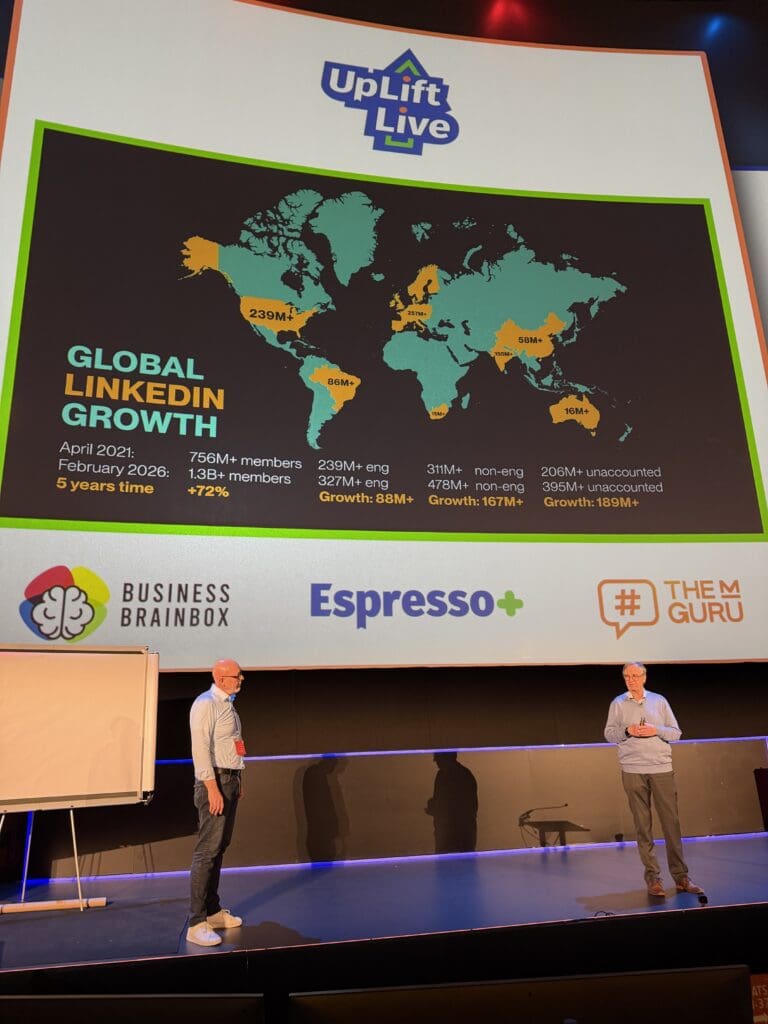
LinkedIn Trainer Mic Adam and B2B Marketing Strategist Guy Strijbosch spoke about using LinkedIn on a global scale. Did you know LinkedIn now operates in 36 languages?
And the fastest-growing regions on the platform are not English-speaking ones. Brazil, India, and large parts of Europe are all seeing huge growth, and this is creating what Mic and Guy call ‘language bubbles.’ Communities of people who operate almost entirely in their own language on the platform, largely invisible to those outside that bubble.
If you work with clients or prospects in multiple countries, here are a few practical things to take away:
- Having a LinkedIn profile in more than one language is a no-brainer for international businesses. Every additional language version of your profile gives you more keywords to be found for in that region’s search results.
- If you manage a company page and post for multiple regions, include text in only one language per post. Mixed language posts confuse the algorithm and dilute your reach. Use LinkedIn’s audience targeting tools to direct different content to different regions instead.
- And if you’re not already using the name pronunciation feature on your profile, get it set up. It gives people confidence that they’re saying your name correctly, and it’s a small human touch that makes a difference, especially across cultures.
Connecting Your Content to Your Sales Strategy
Content marketing and sales strategy on LinkedIn are not separate things, according to B2B Social Media Agency Founder Tony Restell. But in a lot of businesses, they’re treated like they are. The marketing team creates the content. The sales team does the outreach.
The most effective LinkedIn strategies Tony has seen are the ones where marketing content is deliberately designed to open doors that sales conversations can then walk through. Where the posts you publish are building familiarity, demonstrating your values, showing how you think, so that when your sales team (or you, if you’re doing both) follows up in the DMs, it feels like a natural next step.
This means understanding what your sales process actually looks like before you plan your content. Who are your ideal clients? What conversations do you want to be having? What objections do you typically encounter? Your content should answer those questions before anyone picks up the phone or sends a message.
If you’re a LinkedIn trainer or a marketing consultant working with clients on their LinkedIn presence, Tony’s advice is to go much deeper into your clients’ businesses than you might think you need to. Understand their sales process, their ideal client profile, the reasons they win and lose work. Because the more specifically you can align their content to their actual sales goals, the harder it becomes for them to switch you off.
So What Does This All Add Up To?
The LinkedIn strategies that are working in 2026 have one thing in common: they feel human.
Not perfectly produced, not committee-approved, not generated by a clever tool. Human. Opinionated. A little bit unpolished. Written by someone, or a team of people, who actually have something to say and aren’t afraid to say it.
That means taking the occasional risk with your content, sharing a point of view even when it feels exposing, showing up in conversations (not just broadcasting your own stuff) and building real relationships in your DMs. And if you’re using AI, using it to sharpen your thinking rather than replace it.
Whether you’re a solo founder building a personal brand, a marketing manager running a company page, or leading an employee advocacy programme, the principle is the same. Stop producing content that could have been written by anyone, about anyone, for anyone.
None of this requires a bigger budget or a more complicated content calendar. It just requires a little more courage than most people are currently bringing to their LinkedIn strategy.