This is a little different to my usual articles about practical marketing that works, but stick with me because this is important stuff. We marketing people are not islands 🌴 We’re a stressed out bunch who need each other.
And if you build, manage, or nurture a community in any capacity, there’s something in this article that might change how you think about the people on the fringes of your groups, who look disengaged but might just be waiting for something to draw them in.
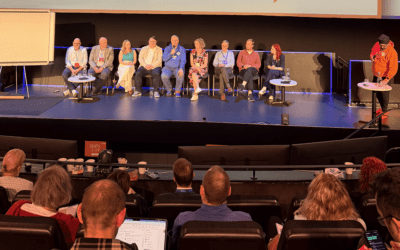
I recently returned from Creator Day 2026, where the theme was community, and my brain has been spilling over with thoughts and reflections since.
One of the many valuable things Michelle Goodall said was that understanding your own personality type helps you show up better in communities. And in the same breath, understanding other personality types helps you build communities that work for different people.
My personal back story is relevant here. For thirteen years, working alone has been my default. It’s also been my preference and my comfort zone. I chose it that way and I like it that way.
I’m an INTJ Myers-Briggs personality type. Sceptical, individualistic, and deeply suspicious of small talk. I like thinking clearly, moving fast, and not having to navigate the intricacies of other people’s emotions while simultaneously trying to do good work.
I’m not the lovable, wholesome female archetype that society celebrates. Nobody says about me, “Oh, she’s such a sweetheart.” I can be a bit prickly, impatient, bossy and blunt. My family compares me to Rabbit from Winnie The Pooh.
Community, in theory, isn’t for me.
And yet. At Creator Day, I sat in a theatre full of people I would genuinely move mountains for, fully engaging in multiple deep conversations, and realised that something had drastically shifted without me really noticing.
Despite myself, You Are The Media pulled me in.
Wait, What Is An INTJ?
INTJ stands for Introverted, Intuitive, Thinking, Judging. It’s one of sixteen personality types in the Myers Briggs framework, and it’s also the rarest. INTJs make up just 2% of the general population, and we’re twice as likely to be men as women.
INTJ traits like strategic thinking, independence, and emotional restraint often run counter to traditional gender expectations, so INTJ women can feel misunderstood and out of place, particularly earlier in life.
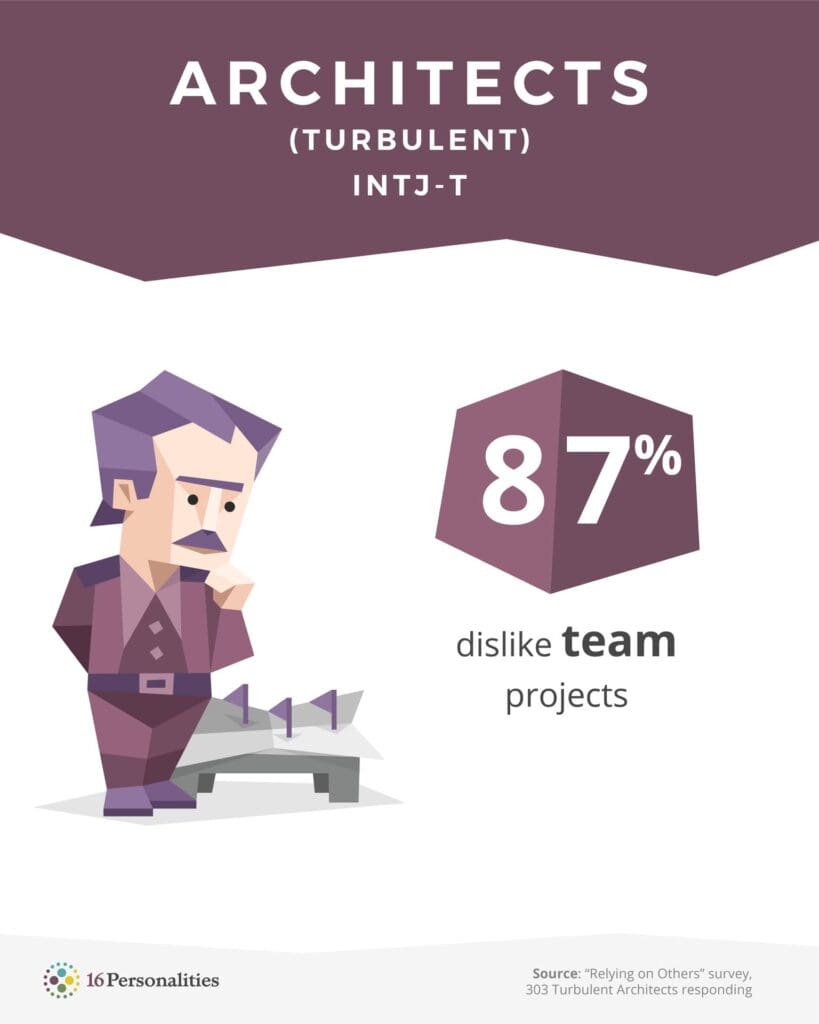
We’re known as The Architects. Famous INTJs include Jane Austen, Marie Curie, Ruth Bader Ginsburg, Jodie Foster, Stephen Hawking, Christopher Nolan, and Isaac Newton. We tend to do things our own way, work best alone, and have very little patience for anything that feels like a waste of time.
Of all sixteen personality types, INTJs are the least likely to say they value community service, relationships and friendships. And yet, here I am writing an article about community 🙃
The word “community” has always felt like it belonged to someone else’s personality type. The joiner. The networker. The person who is delighted to join in a group icebreaker exercise without praying for a medical emergency to get out of it.
That person is not me. But I’ve learned that doesn’t mean community isn’t for me. It just means I needed to understand how someone like me actually belongs.
I watched You Are The Media from the outside for years, wondering if it was really for someone like me. I give off “I’m fine on my own” energy and I rarely make the first move. I wait, I observe, I overthink. INTJs don’t join things, we get pulled in by people.
Community Roles
The first talk of Creator Day from Michelle Goodall set the tone for everything that followed. She talked about reciprocity. About how we should be auditing the communities we’re part of, thinking carefully about what we contribute versus what we take, and understanding the role we actually play within a group.
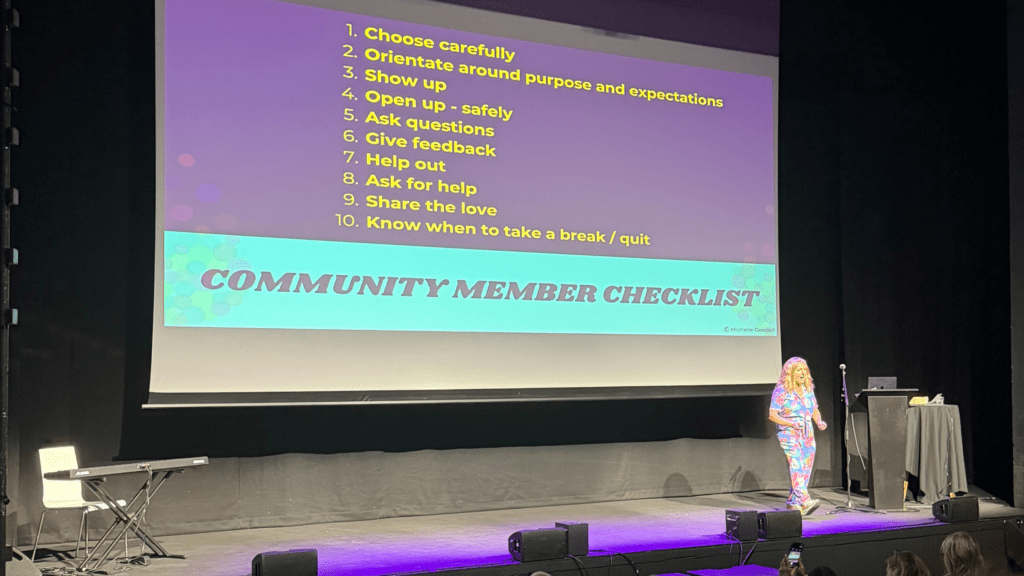
She also shared her Community Member Checklist, which I photographed because I knew I’d want it later:
- Choose carefully
- Orientate around purpose and expectations
- Show up
- Open up, safely
- Ask questions
- Give feedback
- Help out
- Ask for help
- Share the love
- Know when to take a break or quit
As an INTJ, I really like this list. It’s structured. It’s purposeful. It has a beginning, a middle, and an exit strategy. There’s no pressure to perform extroversion. You just have to choose carefully, understand what you’re there for, and contribute consistently.
That’s something I can actually do.
If You Build Or Manage A Community
If you’re responsible for building community, an online group, a membership, an event series, or a professional network, the way different personalities engage is something you should be actively designing for.
Extroverts will bring the energy and pull people in. Introverts will add depth and loyalty once they’ve committed. INTJs like me will lurk for eighteen months, decide they finally trust you, and then become some of your most dedicated members. But only if someone actively invites them in, and only if the community has a clear purpose they can orient around.
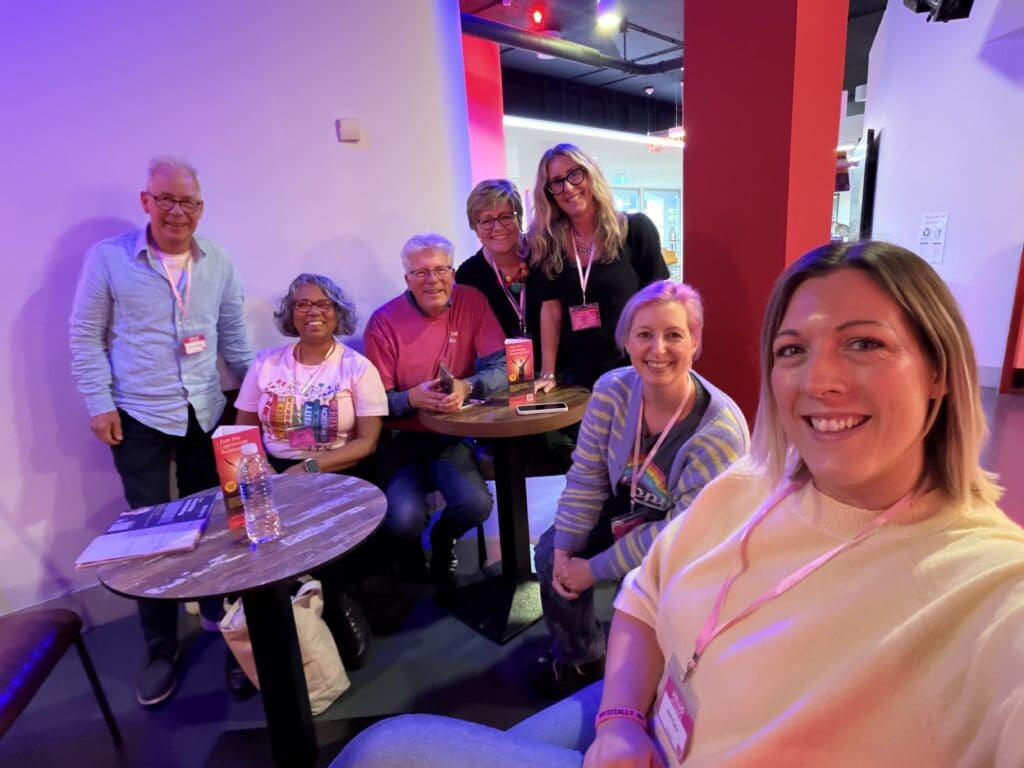
The people who look like they’re not interested often are. They just need a reason, a role, and someone to hold the door open.
Michelle’s checklist is useful in this context, too. If your community members don’t know how to open up safely, or when it’s okay to ask for help, that’s a design problem. Those norms need to be modelled and made explicit. They can’t be assumed.
The skeptics and the lurkers just need the right conditions.
The Thing I Didn’t Expect
I have always prioritised the work over relationships in a professional context. That’s just how I’m built.
You Are The Media is the only professional community that’s ever changed that for me. There are many people in that group I would help without a second thought, with no consideration of what’s in it for me. For an INTJ, that’s a fairly significant thing to admit.
This is partly because I’ve learned to accept who I am and what I need, and it’s also because Mark Masters created the specific conditions I needed to join in and feel part of things.
If you’ve ever felt like community isn’t for you, it might just be that you haven’t found the right one yet. And if you’re not sure what kind of community would actually suit you, start by understanding yourself a bit better.
Take the Myers Briggs test. It’s not a definitive answer to anything, but it’s free and knowing your type may also give you permission to stop trying to show up as someone you’re not.
And if you’re an INTJ reading this from the outside of something, wondering whether it’s worth the leap?
Only one way to find out.